
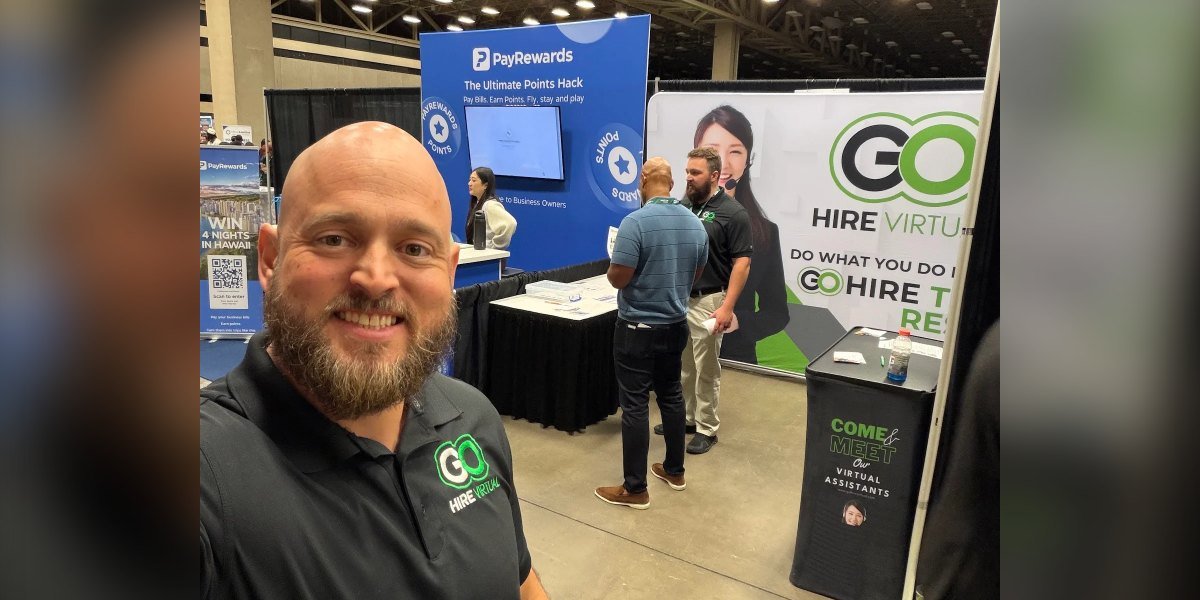
A virtual assistant (VA) is a remote professional who handles administrative, customer-facing and operational work for a business from outside the office. Instead of hiring someone to sit at a desk in your building, you get a trained assistant who logs into your tools, answers your phones, manages your inbox and keeps your calendar running, all over the internet.
If you have ever searched “who is a VA” because a peer told you to “just get one,” this guide covers the basics: what a virtual assistant is, what they actually do, how the different hiring models work, what it costs, and how to know if your business is ready.
What is a virtual assistant, exactly?
A virtual assistant is a person, not software. The term sometimes gets confused with voice tools like Siri or Alexa, but in a business context a VA is a real human assistant who works remotely and supports one or more clients.
Most VAs work on a dedicated or part-time schedule for a small business owner, executive or team. They use the same software you do (email, your CRM, your scheduling tool, your phone system) and follow the processes you give them. The only real difference from an in-house assistant is where they sit.
What does a virtual assistant do?
Almost any recurring task that happens on a computer or a phone can be handed to a VA. The most common categories are:
- Administrative support: inbox management, calendar scheduling, data entry, document formatting and CRM updates.
- Phone and front desk: answering calls, booking appointments, taking messages and returning voicemails.
- Customer service: replying to emails and chats, following up on quotes and handling routine customer questions.
- Bookkeeping support: entering invoices and receipts, chasing unpaid invoices and preparing reports for your accountant.
- Sales support: lead follow-up, appointment setting and keeping your pipeline organized.
- Marketing support: scheduling social posts, updating listings and responding to reviews.
For a deeper list, see our task-by-task breakdown of what a virtual assistant can do.
Virtual assistant vs. executive assistant vs. receptionist
These titles overlap, so it helps to separate them by focus:
| Role | Main focus | Typical tasks |
|---|---|---|
| General virtual assistant | Day-to-day admin across the business | Inbox, scheduling, data entry, customer follow-up |
| Virtual executive assistant | Supporting one leader’s time and priorities | Calendar strategy, travel, meeting prep, gatekeeping |
| Virtual receptionist | Phones and front desk | Answering calls, booking appointments, messages |
Many small businesses start with a general VA and later add an executive assistant or a dedicated receptionist as the workload grows.
The three ways to hire a virtual assistant
1. Freelance marketplaces
You post a job, screen applicants, negotiate rates and manage the assistant yourself. It can be inexpensive, but you carry all of the vetting, training and backup planning.
2. Premium U.S.-based agencies
Some agencies place U.S.-based assistants at higher hourly rates. You get polish and support, but the cost puts full-time help out of reach for many small businesses.
3. Managed virtual assistant companies
A company like Go Hire Virtual recruits, vets and trains the assistant, then supports you with an account manager. You interview the finalists and choose who you work with, and the company handles the rest. At Go Hire Virtual, assistants work remotely from the Philippines and are managed by our U.S. team in South Salt Lake, Utah.
How much does a virtual assistant cost?
Pricing depends on the hiring model, the assistant’s skills and the hours you need. Go Hire Virtual’s managed assistants cost $12 to $14 per hour, all-in, with no long-term contract and no placement fee. A full-time general VA at 40 hours a week works out to about $24,960 a year.
For comparison, the median wage for a U.S. receptionist was $18.27 per hour in May 2025, according to the Bureau of Labor Statistics, before payroll taxes, benefits, equipment and office space. Our virtual assistant cost guide and VA vs. in-house hire comparison walk through the full math.
Benefits of hiring a virtual assistant
- You get hours back. Handing off inbox, phones and scheduling frees your time for sales, clients and strategy.
- Fewer missed calls and leads. A dedicated assistant answers and follows up while you are on a job site or in meetings.
- Flexible hours. Start part-time, cover only your busiest shifts, or go full-time, then adjust as you grow.
- Lower overhead. No desk, equipment, or benefits package to fund.
Signs your business is ready for a virtual assistant
- You are answering email late at night or on weekends.
- Calls go to voicemail because you are busy doing the actual work.
- Invoices, quotes or follow-ups slip through the cracks.
- You keep saying “I’ll get to it” about tasks that are not hard, just time-consuming.
- You have considered hiring an office manager but cannot justify a full salary yet.
If two or more of those sound familiar, a VA will likely pay for itself.
How to get started
- List what eats your week. Write down every recurring task for one week and note how long it takes.
- Pick the first three tasks to hand off. Start with repetitive, rules-based work like scheduling, inbox triage or invoice follow-up.
- Choose your hiring model. Decide whether you want to manage a freelancer yourself or have a managed team vet and support your assistant.
- Document the basics. Short screen-recorded walkthroughs and a simple checklist make onboarding much faster.
Not sure where to start? Book a free 15-minute task audit with Go Hire Virtual. We will list what to hand off first and estimate the hours, and you will get a shortlist of candidates in 48 to 72 hours. Most clients have their VA working within about a week.
Frequently asked questions
Is a virtual assistant a real person?
Yes. In a business context, a virtual assistant is a trained human professional who works remotely. AI tools can help a VA work faster, but they do not replace the judgment and communication a person brings.
Can a virtual assistant work part-time?
Yes. Many businesses start with 10 or 20 hours a week and increase hours as the workload grows.
Where do virtual assistants work from?
Anywhere with a reliable internet connection. Go Hire Virtual’s assistants work from the Philippines and are managed by our U.S. team in Utah.
How quickly can I hire a virtual assistant?
With a managed company, you can usually interview candidates within a few days. At Go Hire Virtual, you get a shortlist in 48 to 72 hours, and most clients have their VA working within about a week.